Pilates and osteoporosis
How to do Pilates safely with osteoporosis

Pilates can help to maintain bone strength and improve muscle strength and balance.
On this page, we explain how you can practice Pilates safely with osteoporosis.
Most people with osteoporosis can exercise safely. Choose the exercise and level of intensity that is right for you.
Talk to your doctor or physiotherapist before starting any exercise if you:
have a history of many broken bones or spinal fractures
are recovering from a broken bone
have any questions or concerns about your own personal situation.
They can tell you about what exercises and activities are safe and suitable for you.
Can you do Pilates with osteoporosis?
Pilates can help to maintain bone strength and improve muscle strength and balance. It can also help with pain and posture.
You can practice Pilates if you have osteoporosis. But there are some exercises where you may 'over flex' your spine if you push yourself to the limits. There are some modifications you can make to be on the safe side.
This is especially true with uncontrolled, repetitive or sudden forward movements, or if you are putting some load or strain on your spine in a curved position. This may put uneven pressure on the front parts of your spine, which could increase your risk of a spinal fracture.
Generally, Pilates is very safe and won't cause a spinal fracture. However, to be on the safe side, use alternative moves that keep your back straight or allow you to bend in a controlled and comfortable way. This will help to reduce the risk of injuring your back.
We show you how to do these different movements in our 'Pilates exercises - modifications with osteoporosis' video.
Who are these Pilates recommmendations for?
These recommendations are for you if:
you have osteoporosis or an increased risk of fractures and want to ensure Pilates exercises are safe and won’t cause a spinal fracture
you want to know if you need to modify or avoid some exercises because you've had spinal fractures
you have broken bones easily in the past.
Bones lose strength as we get older. This information is useful to anyone over the age of 50, whether or not you've had previous fractures.
Getting started
Before you start, read our information about how to exercise safely for bones. On this page, we answer some common questions to help you stay safe when you are active.
It is important to listen to your body and feel safe, confident and comfortable when you are active for your bones.
Watch: Pilates exercises - modifications with osteoporosis
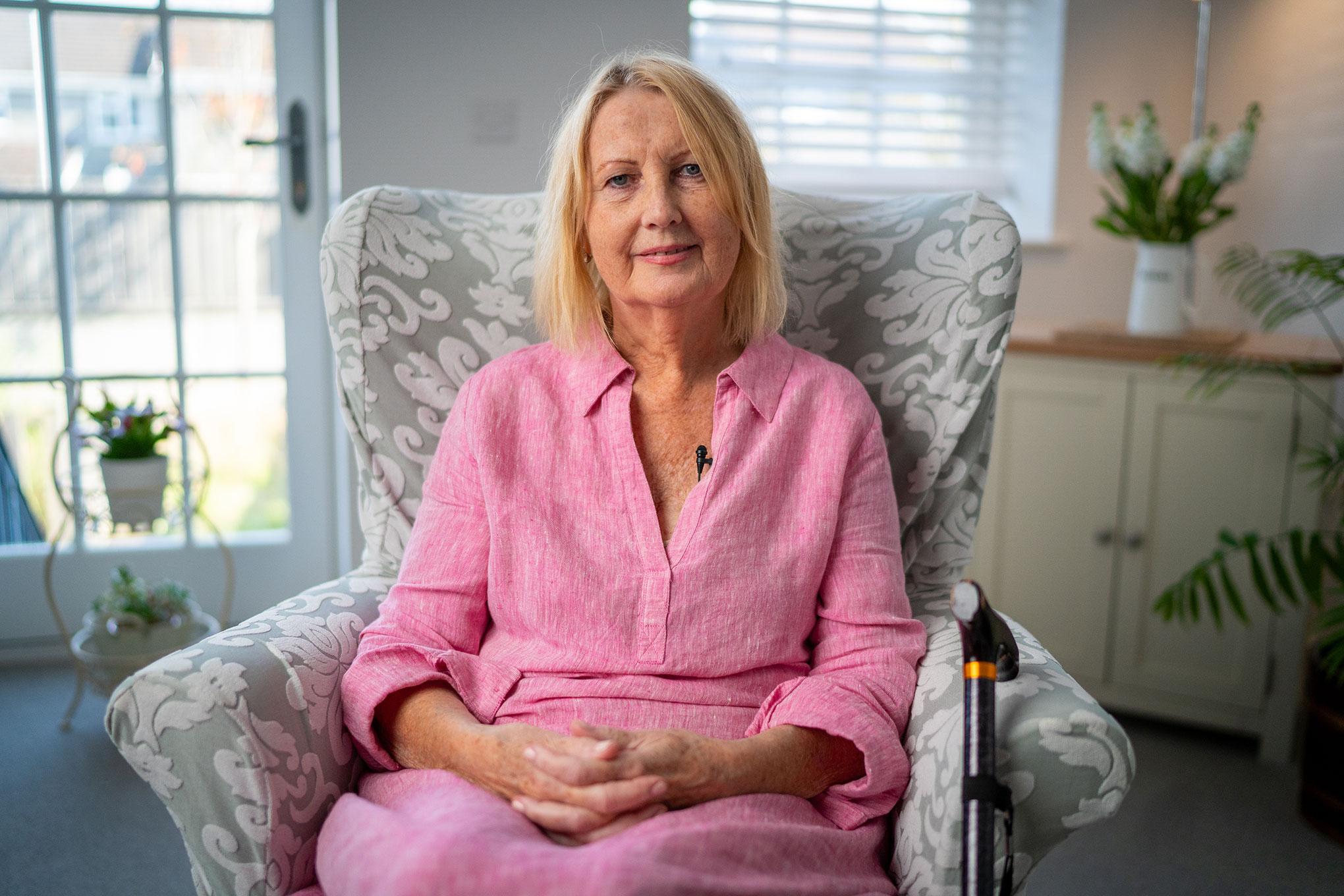
In this video, Lynne explains how you can practice Pilates safely with osteoporosis.
When and how should you do these Pilates movements?
Follow these instructions whenever you're doing Pilates exercises that risk ‘over flexing’ the spine, to help you adapt your technique.
Move in a smooth, controlled way during and between all Pilates exercises, and stay within your comfort range.
About this information
This information is being reviewed and updated. It remains available while we complete this work.

Get news and updates via your inbox
Don't miss our expert insights, recipes, and tips for living well with osteoporosis.

Connect with people living with osteoporosis
Our online community is a welcoming and safe space for you to share your experiences and find peer support.