Spinal fractures (vertebral fractures)
What to expect when you have a spinal fracture. This includes how long a spinal fracture takes to heal, treatment and possible longer-term effects.
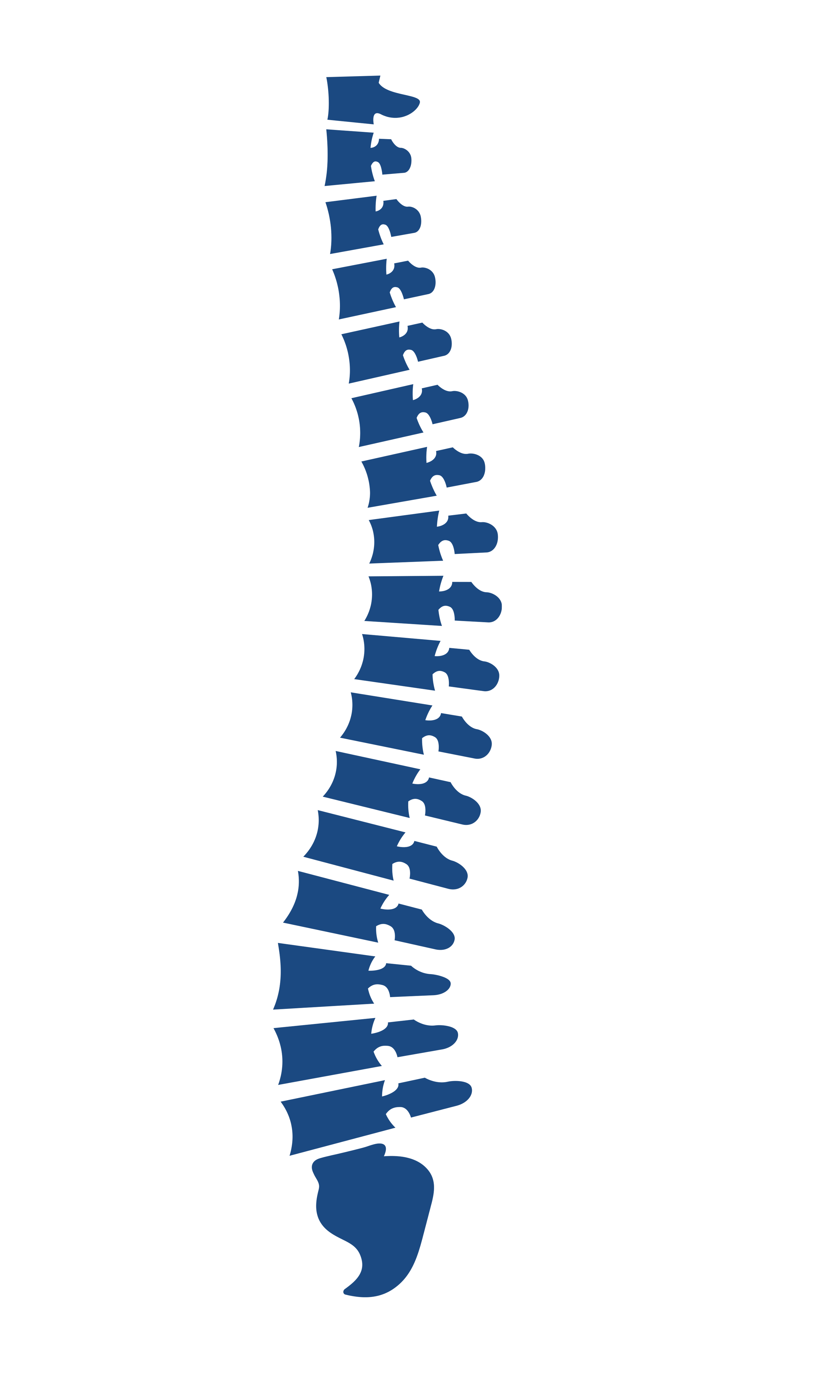
A spinal fracture is when a bone in your spine becomes compressed or squashed after losing strength. You may also hear this called a vertebral fracture or a compression fracture. A spinal fracture takes between 6 and 12 weeks to heal.
Spinal bones do not go back to the shape they were before the fracture. They heal in their new compressed shape. This can lead to height loss and a change in body shape.
On this page, we explain what to expect when you have a spinal fracture.
How are spinal fractures treated?
If you break a bone in your spine, you will not usually need an operation.
It is recommended you aim to stay as active as possible. This can reduce the risk of chest infections, constipation, blood clots and other side effects. It also helps you maintain your muscle strength and reduces your chances of ongoing pain after your spinal fracture has healed.
Movement does not affect the healing process. But spinal fractures can make staying mobile a challenge. If your pain is severe in the early stages, rest for a while. When you're ready, try taking a pain-relieving medicine to help you stay active.
Sometimes, a spinal fracture may continue to cause severe pain. If this happens to you and pain-relieving medications are not helping, your doctor may consider a specialist medical procedure, to help relieve the pain.
Watch: How long does a spinal fracture take to heal?
In this short video, Osteoporosis Specialist Nurse, Kirsty, talks about how long it takes for a spinal fracture to heal.
Specialist medical procedures
Sometimes a spinal fracture continues to cause severe pain. If this happens to you and pain relieving medicines are not helping, your doctor may consider a medical procedure to help relieve the pain.
There are two different medical procedures that can reduce pain in this situation.
These procedures don't improve bone strength, or reduce your risk of breaking another bone. They are not suitable for most people with spinal fractures.
Vertebroplasty
Bone cement is injected to the broken spinal bone, helping to stabilise it.
Balloon kyphoplasty
A balloon is inserted into the broken spinal bone, and inflated to create space in the bone. Bone cement is then injected to fill the bone and stabilise it.
What to expect
These procedures are only carried out in a few specialist centres in the UK, so you may need to travel to have the procedure.
Both procedures take a couple of hours.
The procedures are carried out under a general anaesthetic or local anaesthetic, which may include sedation. For both procedures, you need to lie on your stomach until the cement has set.
You may be asked to stay in hospital overnight afterwards.
Side effects and risks
Side effects for these procedures are uncommon. They may include:
cement leaks
infection
pulmonary embolus, due to cement blocking the blood vessels in the lungs
allergic reactions
spinal cord or nerve root injury
balloon rupture (with kyphoplasty)
In the long term, there are concerns that the treated bone may put pressure on surrounding bones, and increase the risk of them breaking.
What are the possible long-term complications of a spinal fracture?
Ongoing pain
Many people recover well from a spinal fracture. You can usually expect your broken bone to heal within about three months. But for other people, the pain doesn’t go away completely. If you still have pain after three months, it’s described as chronic pain.
If you're in pain, there are things you can do to help manage your pain and continue living the life you enjoy as far as possible.
Ongoing pain, even after the spinal fracture has healed, is caused by the change of shape to your spine. This change of shape can cause different types of pain.
Nerve pain
If a spinal fracture pinches or irritates a nerve as it heals, pain can continue after healing. Pain can also continue if nerves become overly sensitive. In this case, they continue to 'fire off' pain signals after the bone has healed.
Muscle spasms
A change in the shape of your spine can stretch or shorten your back muscles. You may experience a spasm when lifting an object or when pushing, pulling, bending or twisting, such as when using a vacuum cleaner.
Joint and ligament pain
A change in the shape of your spine puts strain on the joints and ligaments between your spinal bones.
Arthritis
If you have arthritis in your back, it can be made worse by the change in the shape of your spine.
Height loss and a curved spine
If you break multiple bones in your spine, you will probably lose some height. You may notice an outward curve at the top of your spine. This is caused by the broken bones in your spine healing in a squashed or compressed shape.
This can cause shortness of breath and your stomach may feel squashed and bloated, making everyday movements more uncomfortable.
If you're experiencing these symptoms of spinal fractures, there are things you can do to make daily living easier for you.
See also our information about clothing and body image.
Exercise after spinal fractures
You may be worried about moving, lifting and doing exercise if you have osteoporosis. It’s natural to feel vulnerable, especially if you’ve had painful spinal fractures.
Doing some general exercises can help improve muscle tone, ease tension and reduce muscle spasms in your back. This can also help with pain.
When your fractures have healed, you can start to build up the muscle strength in your back.
See our information on exercise for more details about how to exercise safely with spinal fractures.
Watch: Exercise after spinal fractures
In this video, Rheumatology Physiotherapist, Sarah Legg, answers your questions about exercising after spinal fractures.
Watch: Short videos about living well with spinal fractures
In these videos, you can hear the stories of people who are living with spinal fractures.
Watch next: Films about living with spinal fractures
Downloads
Download our fact sheet, Daily living after fractures.
About this information
This information is being reviewed and updated. It remains available while we complete this work.

Get news and updates via your inbox
Don't miss our expert insights, recipes, and tips for living well with osteoporosis.

Connect with people living with osteoporosis
Our online community is a welcoming and safe space for you to share your experiences and find peer support.