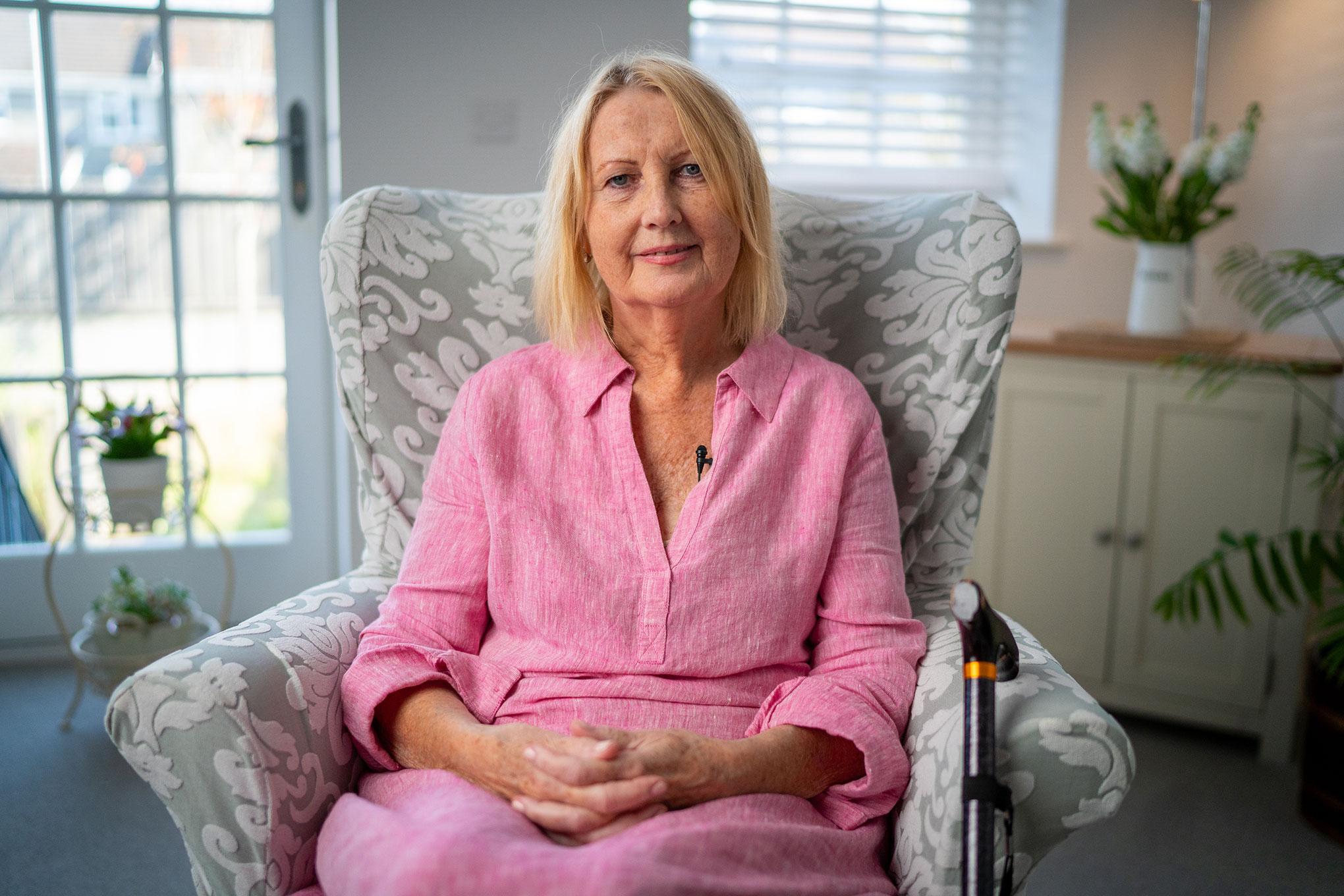
Clothing, body image and osteoporosis
Practical suggestions for finding clothes to suit a changing body shape if you’ve had spinal fractures (vertebral fractures).

Body image is how we think and feel about our bodies. It is important because it can affect our confidence. If you have had spinal fractures, you may notice changes to your body shape. This can make it harder to find clothes that feel comfortable and fit well.
On this page, we share practical ideas to help you choose clothes to suit your changing shape.
How do spinal fractures affect body shape?
A bigger waistline or a tummy that sticks out does not always mean you have put on weight. If you have had spinal fractures, these changes may be caused by changes in your spine.
Spinal fractures caused by osteoporosis are often called vertebral compression fractures. This means that some of the bones in the spine have become squashed because they are weaker than normal. Although these bones heal, they do not return to their original shape.
If several bones in the spine are affected, you may become shorter and develop a more curved back. This can leave less room inside your tummy area, which may make your stomach stick out more.
This means your waistline may get bigger, even if your weight has stayed the same.
I caught sight of myself in a shop window and was shocked to see how bent over I look now.
Watch: How might spinal fractures affect how my clothes fit?
In this video, we discuss how spinal fractures might affect how your clothes fit and how you feel about yourself.
How might spinal fractures affect my body image?
Changes to your body shape can affect how you feel about yourself. Wearing clothes that fit well and feel comfortable can help you feel more confident.
Some people feel upset, frustrated, or less confident after spinal fractures. They may feel self-conscious about changes to their body shape or find it harder to find clothes they like. Some people avoid social situations because they worry about how they look.
Not everyone feels this way. But if changes to your body shape are affecting your confidence, it is important to know that you are not alone. There are things that can help, including finding clothes that make you feel comfortable and confident.
Watch: Body image and changes after spinal fractures
In this video, we discuss body image and changes after spinal fractures.
Common clothing problems
If you have had spinal fractures, you may find that your clothes fit differently than they used to. For example, tops may feel tighter across your back or clothes may seem too long. Changes to your waistline or tummy shape can also make skirts, trousers and other clothes feel less comfortable.
What to look for when buying clothes
When choosing clothes, try to buy things that you like and feel good wearing. Your clothes can help you express your personality and feel more confident.
If your body shape has changed after spinal fractures, finding comfortable clothes that fit well may take a little more time. There is no single solution, but some styles may work better for you than others.
Remember, the most important thing is to choose clothes that feel comfortable, fit well, and help you feel like yourself.
Clothes that may feel more comfortable
Clothes that are loose-fitting or gently shaped rather than very tight.
Stretchy fabrics and elasticated waistbands, which can feel more comfortable if your waistline or tummy shape has changed.
Tops with gathers, pleats, or extra room across the back, which may fit better if you have a curved spine.
Longer tops, tunics, or layered outfits that sit comfortably over your waist and hips.
Jackets, cardigans, scarves, or wraps that can add shape and help you feel more confident.
Clothes with simple fastenings, such as large buttons, front zips, or pull-on styles, which can be easier to manage.
Soft, breathable fabrics such as cotton that are comfortable to wear and less likely to cling to your body.
Skirts, trousers, and nightwear made from stretchy fabrics that allow you to move more easily.
Colours and patterns
Wear colours and patterns that you enjoy. Some people find that bright colours or accessories help them feel more confident. Vertical stripes and single-colour outfits can sometimes create a longer, taller look.
Getting the right fit
If clothes do not fit quite right, a tailor or dressmaker may be able to alter them. Some people also find it helpful to use a personal shopping service or choose made-to-measure clothing for special occasions.
Bras and underwear
Finding a comfortable bra
A well-fitting bra can help support the weight of your breasts, which may reduce strain on your neck, shoulders, and back. It should feel supportive, but not too tight.
If your body shape has changed after spinal fractures, you may find that your usual bra no longer fits as well as it once did. Trying different sizes and styles can help you find one that feels comfortable and gives the support you need.
Getting the right fit
If possible, have your bra size checked by a trained bra fitter. Many department stores and specialist lingerie shops offer this service.
Bra sizes can vary between brands, so it is a good idea to try different sizes and styles to find what feels most comfortable. As your body shape can change over time, you may want to check your bra size again in the future.
Choosing a style
It’s very common for spinal fractures to affect the middle or ‘thoracic’ part of the spine – often where your bra strap sits. You may find it helpful to try:
front-fastening bras, which can be easier to put on and take off
bras with wider straps, which may feel more comfortable on your shoulders
soft, supportive bras or sports-style bras
bras with magnetic fastenings or poppers if hooks are difficult to manage
vests with built-in support (if you have smaller breasts).
The most important thing is to choose a bra that feels comfortable and fits well.
Made-to-measure bras and alteration
Specialist lingerie shops, such as Rigby & Peller, have a made-to-measure bra and alteration service. Having a bra made for you may be too expensive, but these shops can often make alterations to some of their ready-made bras.
Bra extenders
Bra extenders can make a bra feel more comfortable if it feels too tight around your chest. They attach to the back fastening and give a little extra room.
You can buy bra extenders from lingerie shops, sewing shops, and online. If you use one, make sure your bra still fits well and feels supportive.
Some people find that bra straps slip off their shoulders, especially if they have narrow shoulders or a curved spine. If this happens, you could try a bra with wider straps, non-slip straps, or a bra strap clip to help keep the straps in place.
Taking care of your bras
Bras can stretch and lose their shape over time. Looking after your bras can help them stay comfortable and supportive for longer.
Check your bras regularly for signs of wear, such as stretched straps or loose fastenings. If a bra no longer fits well or feels supportive, it may be time to replace it.
Always follow the care instructions on the label. If you machine wash your bra, using a laundry bag and a low-temperature wash can help protect it.
Underwear
Some people find that underwear made from soft, stretchy fabrics feels more comfortable. Styles with more coverage or wider straps may also work better if your body shape has changed.
Continence problems
Some people experience bladder leaks (urinary incontinence). If this is affecting you, speak to your doctor or another healthcare professional. They can offer advice, support, and information about products that may help.
Adaptive clothing and dressing aids
Adaptive clothing
Adaptive clothing is designed to make dressing easier for people who have difficulty putting on or taking off clothes. Not everyone with spinal fractures will need adaptive clothing. However, it may be helpful if changes to your posture make dressing more difficult.
You may find it easier to wear clothes with:
front or side fastenings
velcro fastenings instead of buttons
easy-to-grip zip pulls
stretchy fabrics
pull-on styles that do not need lots of fastening.
Dressing aids
Dressing aids are tools that can help if getting dressed is difficult.
For example, you can buy:
zip pullers to help with zips
dressing sticks to help put on clothes
sock and tights aids if bending forward is difficult.
If you think dressing aids could help you, ask a healthcare professional for advice.
Clothing if you have broken an arm or leg
If you have fractured an arm or leg, you may have pain, swelling, or difficulty moving while it heals. You may also need to wear a splint or cast for a time.
Choose clothes that are loose, stretchy, and easy to put on and take off. This can make dressing more comfortable and help you move more easily.
You may find it easier to:
put clothes on your injured arm or leg first
take clothes off your injured arm or leg last
wear tops with wide necklines or loose sleeves
choose clothes with simple fastenings, such as Velcro, rather than small buttons or zips.
The most important thing is to wear clothes that feel comfortable and do not put pressure on the injured area while it heals.
Footwear
Comfortable, well-fitting shoes can help you stay steady on your feet and reduce your risk of falling.
When choosing shoes, look for:
a good fit that does not pinch your toes or slip at the heel
a low heel
a sole with good grip to help prevent slips
fastenings, such as laces or straps, that help keep your foot secure.
If your feet are swollen, painful, or difficult to fit, you may find adjustable shoes more comfortable.
If you have ongoing foot problems or difficulty walking, a podiatrist (foot specialist) can give advice about footwear and any extra support you may need, such as insoles or adapted shoes.
About this information
This information is being reviewed and updated. It remains available while we complete this work.

Get news and updates via your inbox
Don't miss our expert insights, recipes, and tips for living well with osteoporosis.

Connect with people living with osteoporosis
Our online community is a welcoming and safe space for you to share your experiences and find peer support.