
Exercises to help with posture
Exercises for posture that help to reduce the strain on your joints, tendons and muscles.
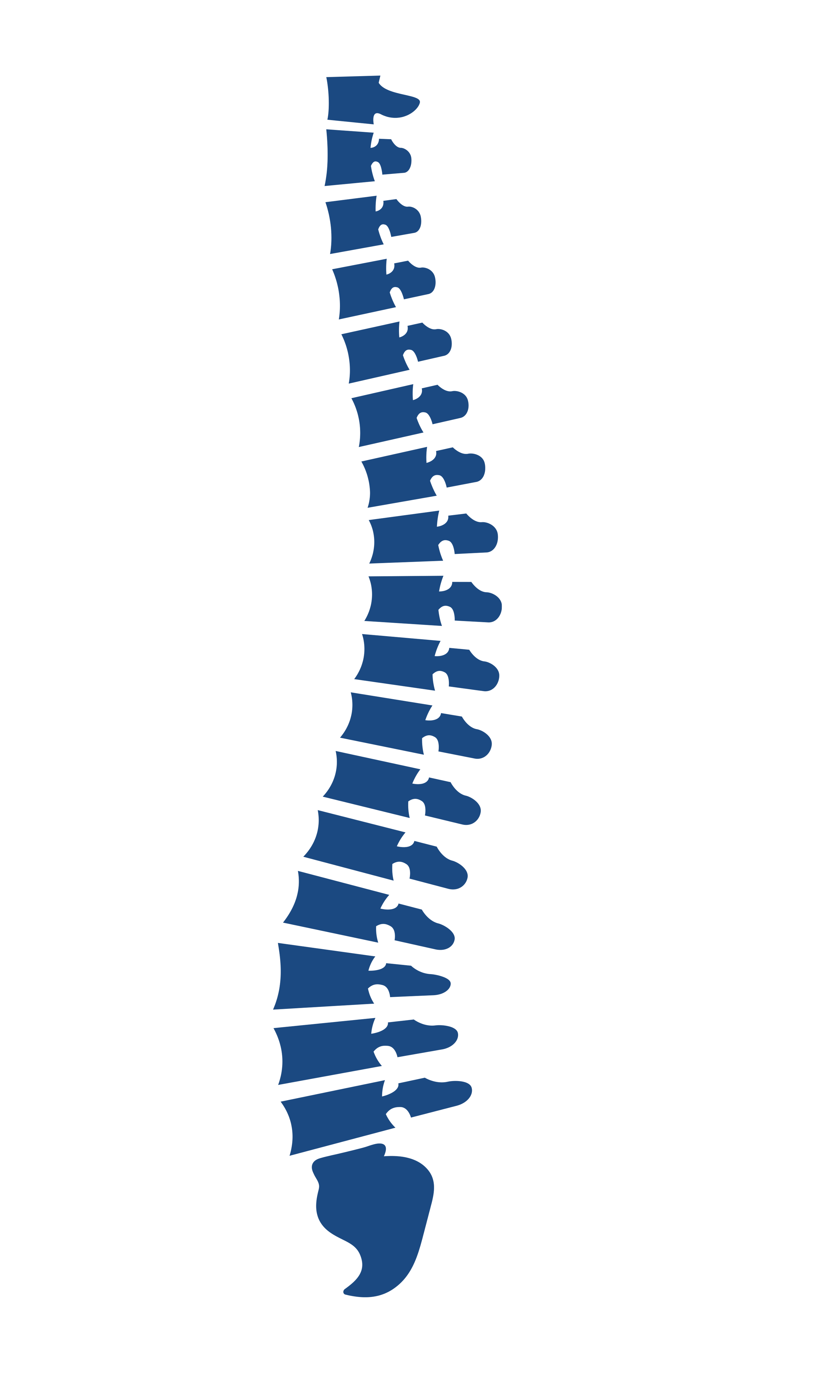
There are some exercises you can do to strengthen your back muscles if you have a curved spine after spinal fractures. These exercises can help to improve posture.
On this page, we show you different exercises and movements that can help with posture.
Most people with osteoporosis can exercise safely. Choose the exercise and level of intensity that is right for you.
Talk to your doctor or physiotherapist before starting any exercise if you:
have a history of many broken bones or spinal fractures
are recovering from a broken bone
have any questions or concerns about your own personal situation.
They can tell you about what exercises and activities are safe and suitable for you.
Why are exercises for posture helpful if you have had spinal fractures?
If fractures have altered the shape of your spine, you can't reverse the changes. But certain exercises may make some difference.
Practising good posture and improving your muscle strength and flexibility may help with some of your symptoms. They are important for promoting the health of your spine, reducing strain on joints, tendons and muscles, and helping with balance.
As well as helping with symptoms, doing the right exercises may help to prevent further problems in the future.
Exercises for posture are especially helpful if you have had spinal fractures and are concerned about:
height loss
shortness of breath
a protruding tummy
indigestion
stress incontinence (leaking urine).
These exercises are also good if you have not had any fractures.
What exercises can I do to improve my posture?
There are different exercises you can do to help your spine and reduce the strain on your joints, tendons and muscles. The exercises are:
standing and sitting
chin tuck
head tilt
neck rotation
shoulders back.
We show you how to do these different exercises in our 'Exercises to help with posture' video.
There are some activities that include exercises that help you care for your back too. These are Pilates and yoga.
Getting started
Before you start, read our information about how to exercise safely for bones. On this page, we answer some common questions to help you stay safe when you are active.
It is important to listen to your body and feel safe, confident and comfortable when you are active for your bones.
What you will need
If you struggle with balance or would prefer to do the exercises sitting down, you will need an armless chair.
Watch: Exercises to help with posture
In this video, physiotherapist Kerrie, shows you how to do different exercises to help with posture.
How can I make exercises for posture a part of my routine?
Do these exercises on two or three days a week. Make sure to leave a day's rest in between.
Move into the positions slowly and smoothly, as far as possible without pain. Hold the movement for the recommended time, if comfortable. Don't forget to breathe! Repeat on the other side when you are ready.
These back exercises focus on holding exercise positions for longer or repeating them. They aren't focused on building up resistance.
Aim to do 3 to 5 repetitions or hold up to 10 positions for 3 to 5 seconds.
Downloads
About this information
This information is being reviewed and updated. It remains available while we complete this work.

Get news and updates via your inbox
Don't miss our expert insights, recipes, and tips for living well with osteoporosis.

Connect with people living with osteoporosis
Our online community is a welcoming and safe space for you to share your experiences and find peer support.