Risk factors you cannot change
Risk factors for osteoporosis and broken bones that you cannot change.

Risk factors are things that increase your chance of developing a condition or outcome. This information looks at some of the risk factors that can lead to osteoporosis or broken bones.
Osteoporosis is a condition where your bones lose strength, making you more likely to break a bone. The terms ‘broken bone’ and ‘fracture’ mean the same thing.
The more risk factors you have for osteoporosis, the greater your chance of developing it. But having one or more risk factors does not mean you will definitely develop osteoporosis. And having osteoporosis does not necessarily mean you will break a bone. The good news is that we can manage many of these risk factors. This will reduce your chance of osteoporosis and broken bones.
If you have one or more risk factor that increases your chance of osteoporosis, you can talk to your doctor. They can look at your risk of osteoporosis and fractures.
On this page, we explain some of the things that increase your chance of osteoporosis and broken bones that you cannot change. Although you cannot change these, it is still important to know what they are. If you know how likely you are to develop osteoporosis, you can make active choices about lifestyle changes to help keep your bones healthy.
Family history
If either of your parents had osteoporosis you have a higher chance of developing it yourself. A family history of broken bones can also affect your chance of breaking a bone. If either of your parents has had a broken bone, especially a hip, you are more likely to break a bone yourself.
If you are over 50 and either of your parents had osteoporosis or broken bones, speak to your doctor about a fracture risk assessment.
Watch: Family history and osteoporosis
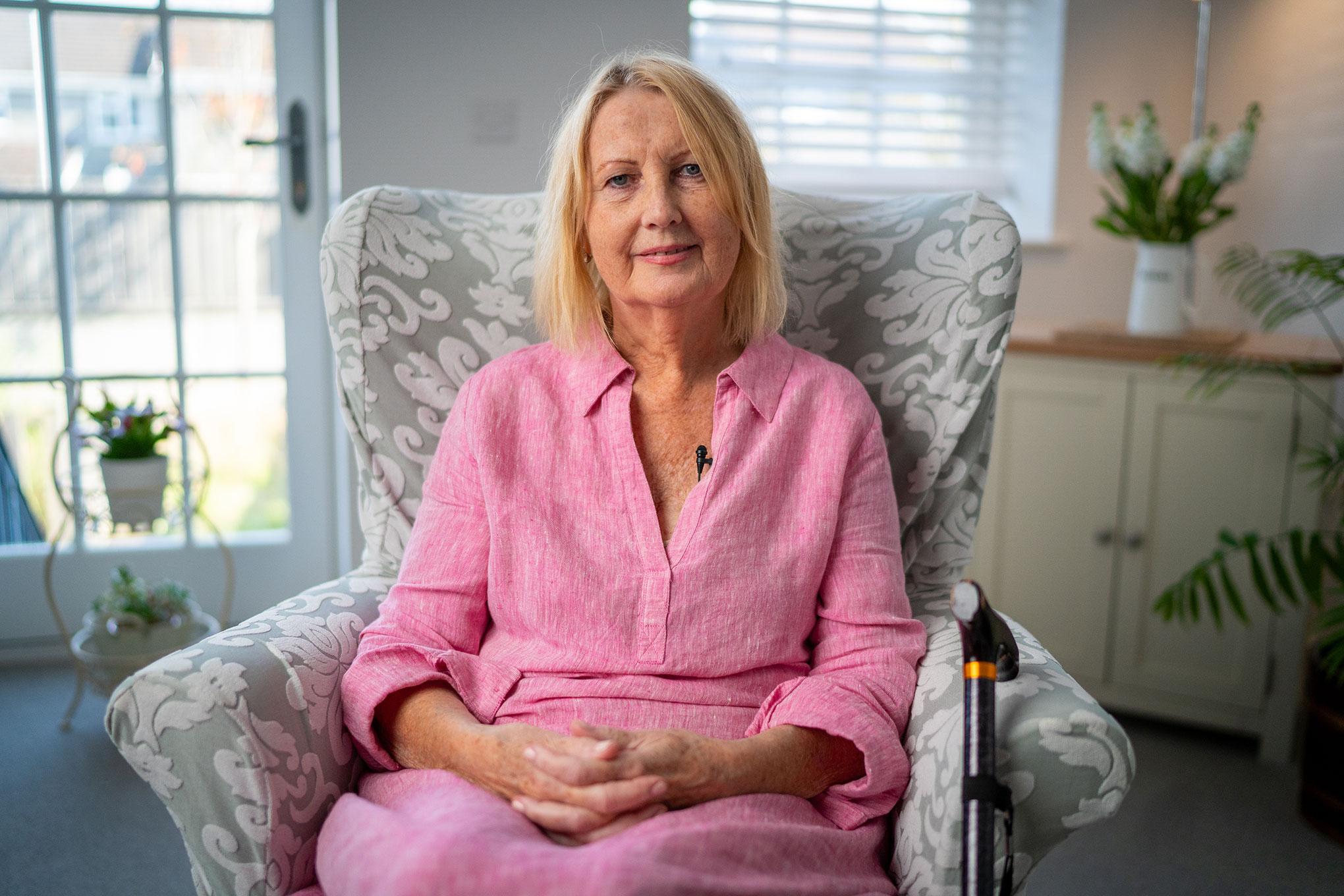
In this video, Professor Stuart Ralston discusses the role of family history in increasing the risk of osteoporosis and broken bones, followed by a personal family history story from Janet Boyd.
Your age
Bone strength increases as we grow and is at its highest around 30 years of age. After this, as you get older there is a gradual reduction in bone strength. This is why osteoporosis and broken bones become more likely as you get older. This happens for both men and women. But in women bone loss speeds up around the menopause.
As you grow older you also start to lose muscle mass, strength and function. This can also increase your chance of osteoporosis and falls.
Going through the menopause
Osteoporosis and broken bones are more common in women than men.
One reason for this is the fall in oestrogen levels around the menopause. Oestrogen has an important role in maintaining bone density. So, when oestrogen levels decrease, bone density starts to decrease too. Lower bone density means weaker bones and a greater chance of breaking bones.
Taking hormone replacement therapy (HRT) to increase oestrogen levels after menopause may be helpful for some women. This is especially important if menopause occurs at a young age (before the age of 45). See also our information about early menopause in Health conditions that increase your risk.
Previous broken bones
If you have broken a bone after a small fall or minor injury, you are more likely to break another bone. This is especially true if the broken bone was in your hip, spine or arm. Your risk is highest in the first one to two years after the break. The chance of this happening is the same for men and women.
Spinal (vertebral) fractures are not always painful. So, they can happen without you noticing. If you have become shorter or your body shape has changed, you may have had a spinal fracture. The chance of breaking another bone is higher if your spinal fracture happened with little or no trauma. For example, you may break a bone in your spine turning over in bed. If you are worried about back pain, height loss or a curved spine, speak to your GP.
If you are over 50 and have recently broken a bone from a small fall or injury but you have not had your chance of osteoporosis assessed, speak to your GP about a fracture risk assessment.
About this information

Get news and updates via your inbox
Don't miss our expert insights, recipes, and tips for living well with osteoporosis.

Connect with people living with osteoporosis
Our online community is a welcoming and safe space for you to share your experiences and find peer support.